Natural Remedies
by Admin
Posted on 02-05-2026 03:24 PM

Understanding Natural Remedies
Natural remedies refer to any treatment or preventive measure derived from natural sources primarily plants, minerals, and lifestyle practices. They include herbal teas, essential oils, dietary supplements, home remedies like honey and lemon, and physical practices such as yoga and meditation. Unlike pharmaceutical drugs, which often isolate active compounds, natural remedies typically use whole plant extracts or combinations of ingredients believed to work synergistically. For those interested in exploring holistic approaches, checking out trusted resources on Natural Remedies can provide valuable insights.
One of the main appeals of natural remedies is their perceived safety and minimal side effects when used appropriately. However, it's important to note that natural does not always mean safe.a Some herbs can interact with medications or cause allergic reactions. Consulting a healthcare provider before starting any new remedy is always recommended, especially for pregnant women, children, or those with chronic conditions.
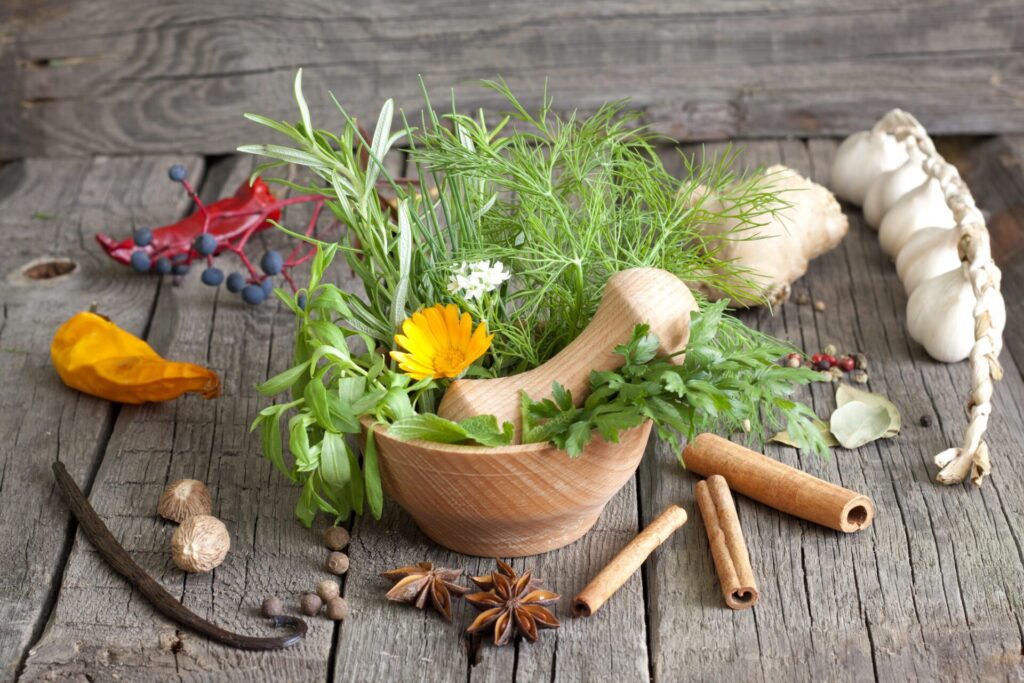
Popular Plants and Herbs for Everyday Health
Echinacea and Immune Support
Echinacea is one of the most widely used herbal remedies, particularly during cold and flu season. Traditionally used by Native Americans, echinacea is believed to stimulate the immune system and reduce the duration of common respiratory infections. Research shows mixed but promising results, with some studies indicating a modest reduction in cold symptoms when taken at the onset of illness.
It's commonly consumed as a tea, tincture, or capsule. While generally safe for short-term use, those with autoimmune diseases should exercise caution, as echinacea may stimulate immune activity.
Ginger for Digestion and Inflammation
Ginger root has been used for centuries across Asian and Middle Eastern cultures to soothe upset stomachs, reduce nausea, and combat inflammation. Its active compounds, gingerols and shogaols, are responsible for its potent anti-inflammatory and antioxidant effects.
Ginger is especially effective for motion sickness, morning sickness during pregnancy (under medical supervision), and post-surgery nausea. It can be taken fresh in tea, added to meals, or consumed as a supplement. Additionally, its anti-inflammatory properties may benefit people with osteoarthritis or joint pain.
Food as Medicine
Diet plays a central role in natural healing. Many traditional cultures view food not just as fuel but as a therapeutic tool. For instance, garlic has natural antimicrobial properties and may help lower blood pressure and cholesterol. Turmeric, rich in curcumin, is celebrated for its powerful anti-inflammatory effects and is often used in golden milk or smoothies.
Other functional foods include fermented options like yogurt, kefir, and sauerkraut, which support gut health through probiotics. A balanced, whole-foods diet rich in fruits, vegetables, whole grains, and healthy fats forms the foundation of any natural wellness regimen.
Mind-Body Practices and Holistic Healing
Natural remedies extend beyond physical substances. Mind-body practices such as meditation, deep breathing, tai chi, and yoga are integral components of holistic health. These techniques help regulate the nervous system, reduce stress hormones like cortisol, and improve sleep and emotional resilience.
Chronic stress is a root cause of many modern ailments, from digestive issues to cardiovascular disease. Incorporating just 1015 minutes of daily mindfulness can significantly improve mental clarity, reduce anxiety, and enhance overall well-being.
Essential Oils and Aromatherapy
Essential oils highly concentrated plant extracts have gained popularity for their therapeutic uses in aromatherapy. Lavender oil is widely studied for its calming effects and is often used to support sleep and reduce anxiety. Peppermint oil can help relieve headaches and digestive discomfort when applied topically (properly diluted) or inhaled.
While essential oils offer benefits, they must be used with care. They are not meant to be ingested without professional guidance and can cause skin irritation if not diluted properly. Always choose high-quality, pure essential oils from reputable sources.
Safety and Considerations
Despite their natural origins, these remedies are powerful and should be used thoughtfully. Some herbs interact with prescription medications for example, St. John's Wort can reduce the effectiveness of birth control and antidepressants. Others, like comfrey or kava, have safety concerns with long-term use.
Additionally, the supplement industry is not as tightly regulated as pharmaceuticals, so product quality can vary. Look for third-party tested brands and avoid proprietary blends with hidden ingredients.
FAQs
Are natural remedies safe for everyone?
No. Some may interact with medications or affect underlying health conditions. Always consult a healthcare provider.
Can children use natural remedies?
Some are safe, like honey for cough (not for infants under 1), but others may not be appropriate. Professional guidance is essential.
How long does it take for natural remedies to work?
Results vary. Some offer quick relief (e.g., ginger for nausea), while others require consistent use over time.
Do natural remedies really work?
Many have scientific backing, but evidence varies. Some are well-supported, others rely more on traditional use.
Can I use natural remedies instead of prescription medicine?
Not without consulting a doctor. They can complement, but not always replace, conventional treatments.
Where should I buy natural remedies?
Choose reputable brands with transparent labeling and third-party testing for quality and purity.