Landscaping Debris Removal
by Admin
Posted on 08-10-2025 05:09 PM
Types of Landscaping Debris
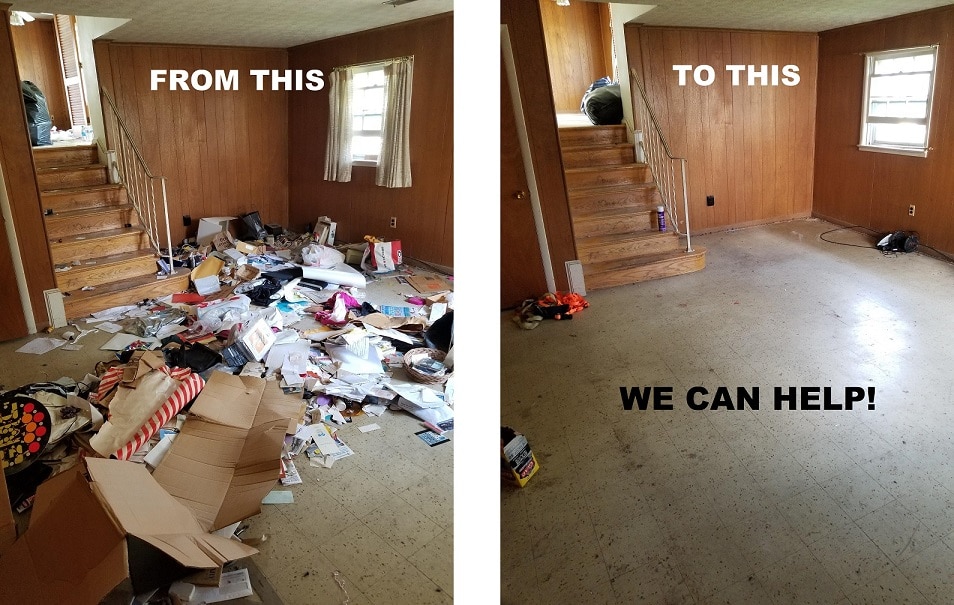
Landscaping debris can come in various forms, including organic and inorganic materials. Organic debris includes leaves, branches, grass clippings, and other plant materials, while inorganic debris includes soil, rock, concrete, and other construction materials. Understanding the different types of debris is crucial in determining the best removal and disposal methods.
Importance of Debris Removal
Removing landscaping debris is not only essential for aesthetic purposes, but it also helps prevent accidents and injuries. Debris can create tripping hazards, attract pests, and even damage lawns and gardens. Moreover, leaving debris untouched can lead to environmental issues, such as water pollution and soil erosion. Regular debris removal helps maintain a clean and safe outdoor space, protecting both people and the environment.
Debris Removal Methods
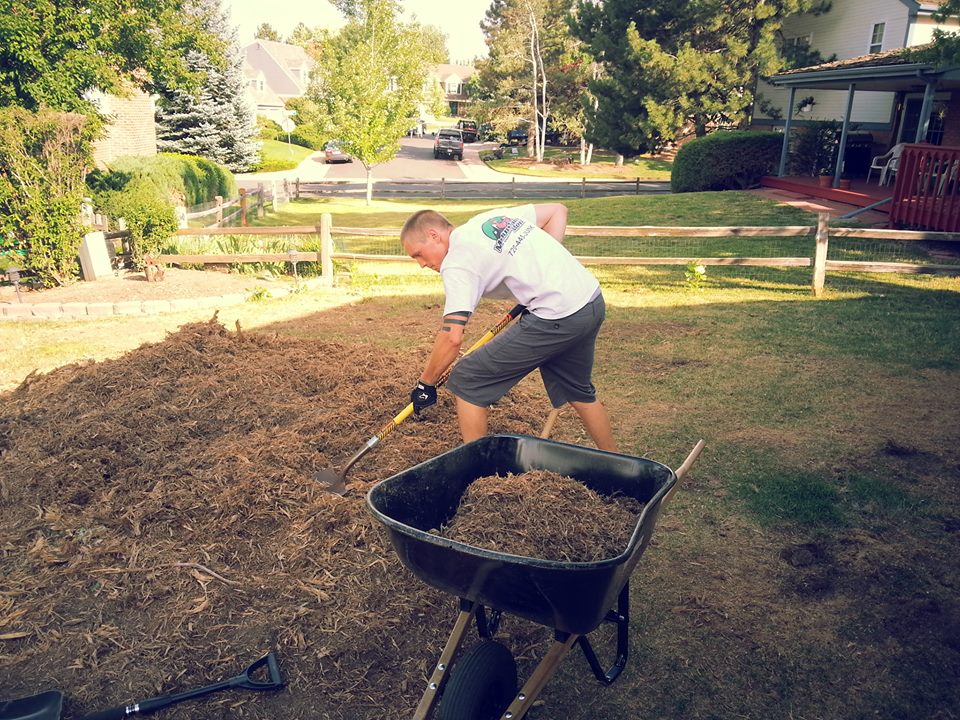
There are several methods for removing landscaping debris, depending on the type and amount of debris. For small-scale debris removal, manual methods such as raking, sweeping, and bagging can be effective. For larger-scale projects, mechanical methods like leaf blowers, lawn mowers, and debris vacuums may be necessary. In some cases, hiring a professional debris removal service may be the best option, especially for heavy or bulky debris.
Mechanical Debris Removal
Mechanical debris removal methods are ideal for large-scale projects or for removing heavy or bulky debris. Leaf blowers, for example, can quickly clear leaves and other lightweight debris from lawns and gardens. Lawn mowers with debris collection systems can also be effective in removing grass clippings and other small debris. Debris vacuums, on the other hand, are designed for heavier debris like branches and rocks.
Manual Debris Removal
Manual debris removal methods are suitable for small-scale projects or for removing lighter debris. Raking, sweeping, and bagging are common manual methods used for removing leaves, grass clippings, and other small debris. These methods are often more time-consuming and labor-intensive than mechanical methods but can be effective for smaller areas.
Disposal Options
Once debris is removed, it's essential to dispose of it properly. There are several disposal options available, including composting, recycling, and landfill disposal. Composting is an excellent way to dispose of organic debris like leaves and grass clippings, as it creates nutrient-rich soil for gardens and lawns. Recycling centers may also accept certain types of debris, such as branches and rocks, which can be repurposed as mulch or aggregate materials. Landfill disposal should be the last resort, as it can contribute to environmental issues like pollution and waste accumulation.
Safety Precautions
Removing landscaping debris can be a hazardous task, especially when dealing with heavy or bulky materials. It's essential to take safety precautions to avoid accidents and injuries. Wear protective gear like gloves, safety glasses, and a mask when handling debris, and use proper lifting techniques to avoid straining your back. Additionally, be aware of your surroundings and ensure that the area is clear of obstacles and tripping hazards.
Environmental Benefits
Proper landscaping debris removal and disposal can have several environmental benefits. Composting organic debris, for example, reduces the amount of waste sent to landfills and creates nutrient-rich soil for gardens and lawns. Recycling debris like branches and rocks can also reduce the demand for virgin materials and minimize waste accumulation. Moreover, removing debris helps prevent environmental issues like water pollution and soil erosion, which can have long-term consequences for ecosystems and human health.
Cost-Effective Solutions
Removing landscaping debris can be a costly task, especially for large-scale projects. However, there are several cost-effective solutions available. Hiring a professional debris removal service, for example, can be more cost-effective than purchasing or renting equipment and doing it yourself. Additionally, composting and recycling debris can save money on waste disposal costs and create valuable soil amendments for gardens and lawns.
Conclusion
Landscaping debris removal is a crucial aspect of maintaining a clean and safe outdoor space. By understanding the different types of debris, removal methods, and disposal options, individuals can ensure that their outdoor space is not only aesthetically pleasing but also safe and environmentally friendly. Whether you're a homeowner, landscaper, or property manager, taking the time to properly remove and dispose of landscaping debris can have long-term benefits for both people and the environment, and for professional help, you can consider hiring experts from Sydney Junk Pros who specialize in junk removal services.
FAQs
What are the most common types of landscaping debris?
The most common types of landscaping debris include leaves, branches, grass clippings, soil, and rock.
How often should I remove landscaping debris?
The frequency of debris removal depends on the type and amount of debris. Regular removal, such as weekly or bi-weekly, can help maintain a clean and safe outdoor space.
Can I compost all types of landscaping debris?
No, not all types of landscaping debris can be composted. Organic debris like leaves and grass clippings can be composted, but inorganic debris like soil and rock cannot.
What are the environmental benefits of proper landscaping debris removal?
Proper landscaping debris removal can reduce waste accumulation, prevent environmental issues like water pollution and soil erosion, and create nutrient-rich soil for gardens and lawns.
How can I dispose of landscaping debris in an environmentally friendly way?
Disposing of landscaping debris in an environmentally friendly way involves composting organic debris, recycling inorganic debris, and minimizing landfill disposal.